
The Osa Peninsula hangs off Costa Rica's southern Pacific coast, with the open ocean on one side and the calm Golfo Dulce on the other. It's home to at least half of all the species found in Costa Rica, and much of it is protected. If you want to see scarlet macaws flying over the beach, tapir tracks on the trail and all four of the country's monkey species in a day, this is the place.
It's also the hardest region to reach, and that shapes every planning decision. This guide covers the Osa itself and the Costa Ballena coast to the north, around Dominical, Uvita and Ojochal, which is where most travelers break the journey.
Drake Bay or Puerto Jiménez?
The peninsula has two very different gateways, and they aren't connected by a quick road.
Drake Bay, on the northwest side, is a small village on a bay, with lodges spread along the coast. Most transport is by boat. It's the base for boat trips to the San Pedrillo and Sirena stations of Corcovado and to Caño Island. There's no bank or ATM, so bring cash. Copa de Arbol, a beach and rainforest resort just south of Drake Bay that you can only reach by boat, includes 3 meals a day and keeps kayaks and snorkel gear on its beach. Hotel Jinetes de Osa is a smaller, simpler choice right by the water in the village.
Puerto Jiménez, on the Golfo Dulce side, is the peninsula's main town, with an airport, banks and supermarkets. From here, a 4x4-only gravel road with river fords runs to Carate, the trailhead for the La Leona side of Corcovado, and to Cabo Matapalo at the tip of the peninsula. Lapa Rios, an eco lodge on a private 1,000-acre rainforest reserve near Cabo Matapalo, is one of the best-known places to stay. Closer to town, Blue Osa is a 13-room yoga retreat and spa near a quiet beach. On the road south at Playa Carbonera, Ojo del Mar is a small family-run beach lodge, and Rancho Tropical runs guided Corcovado hikes and treks from its ranch nearby. Costa Rica Journeys has an older write-up of Lookout Inn near Carate, if you want to look at lodges at the end of the road; check it's still taking guests before you count on it.
Pick one side for a first trip. Choose Drake Bay for boats, snorkeling and Caño Island; Puerto Jiménez for road access, the Golfo Dulce and the southern trails.
Across the Golfo Dulce, near the Panama border, the surf village of Pavones is the end of the line. The Yoga Farm, above Punta Banco, suits people who want to slow down for weeks rather than days.
Getting there
Fly. Sansa flies from San José to both Drake Bay (DRK) and Puerto Jiménez (PJM). It's the simplest choice, and it turns a full travel day into an hour or so. Bags are limited to about 15 kg on the Drake Bay flights, so pack light.
Bus and boat to Drake Bay. Tracopa buses run from San José to Palmar Norte and Sierpe. From Sierpe, boats go down the river and along the coast to Drake Bay, usually twice a day. It's a long day, but a scenic one.
Drive. You can drive to Drake Bay via Rincón de Osa, but it's 4x4 only on the gravel stretch; bridges have replaced the old river crossings since 2021. Fill up with fuel before you leave the highway. For anything beyond Puerto Jiménez, such as Carate, you need a 4x4.
Corcovado National Park
Corcovado is the largest national park in Costa Rica, at 424 km², covering about a third of the peninsula. It protects rainforest and wild beaches, and it's home to the endangered Baird's tapir, jaguars and pumas, and the country's largest population of scarlet macaws.
What to know before you plan:
- Every visitor must go with a certified guide. That's been the rule since February 2014. Lodges and local operators in Drake Bay and Puerto Jiménez arrange guided day trips and overnight stays.
- Sirena station is the heart of the park, and the best place for wildlife. Staying overnight there needs a reservation made well ahead, and space is limited.
- Some areas close in the wettest months, roughly July to November.
- River crossings are serious. Some rivers, especially the Río Sirena, have crocodiles and bull sharks, and crossings depend on the tide. Your guide will time them.
Caño Island, about an hour by boat from Drake Bay, is a biological reserve known for excellent snorkeling, with pre-Columbian stone spheres on the island.
The Costa Ballena: Dominical, Uvita and Ojochal
North of the Osa, the coastal highway runs past a string of small towns that make an easy first stop on the way down from Manuel Antonio. Dominical is about an hour's drive from Quepos and around 4 hours from San José, and a shared shuttle from San José airport to Uvita takes about 3.5 hours.
Dominical is a surf town with strong waves and a busy, sociable feel. Danyasa, a 12-room adults-only eco retreat with a bamboo yoga studio, is a couple of minutes from the beach.
Uvita sits beside Marino Ballena National Park, created in 1989 as Central America's first marine national park. At low tide, a sandbar connects the beach to Punta Uvita, whose shape gives the "whale's tail" its name. Humpback whales visit twice a year: from December to April and again from July to November, when whales from the southern hemisphere arrive. For surf lessons and whale-watching or Caño Island trips, Uvita 360 is a local surf school and tour operator. For more places to stay along this stretch, Costa Rica Journeys keeps a list of south Pacific hotels.
Ojochal, a little farther south, is quieter still. El Castillo, a 9-room boutique hotel with a cliffside infinity pool high above the Pacific, is here.
How many nights?
Plan 3 to 4 nights on the Osa for one guided day in Corcovado, a boat trip and a buffer for weather. Add 2 nights on the Costa Ballena for whales, beaches and waterfalls. If you only have a few days for the whole south, choose the Costa Ballena and do Caño Island or Corcovado as a long day trip from Uvita.
Fitting the Osa into a route
The south suits travelers on a second Costa Rica trip or with 2 weeks or more. A typical route goes San José to Manuel Antonio, then south to Uvita, then on to the Osa, flying back to San José at the end. Our 2-week itinerary includes a southern option, and getting around Costa Rica explains flights and boats.
When to go
The dry season, from about mid-December to mid-April, is the best time for the Osa: trails are firmer and river crossings safer. Even then, expect mud. From May the rain builds, and September and October are the wettest months. Parts of Corcovado close in the wettest months, and the public boats from Sierpe to Drake Bay don't run in October. The Costa Ballena's whale seasons give you a reason to visit in the green season too. See our weather guide.
Practical tips
- Bring cash for Drake Bay. There's no ATM.
- Pack light for domestic flights and boat landings, which are often wet.
- Bring insect repellent and a refillable bottle. Dengue occurs here, and it's hot and humid.
- Book Corcovado early if you want to stay overnight at Sirena.
Where to stay near the Osa Peninsula and South Pacific
Live prices from Booking.com, Expedia, Hotels.com and more.
Frequently asked questions
Do you need a guide for Corcovado?
Yes. Since February 2014, all visitors must be accompanied by a certified guide. Lodges and local operators in Drake Bay and Puerto Jiménez arrange them.
Should I stay in Drake Bay or Puerto Jiménez?
Drake Bay for boat trips to Corcovado's Sirena and San Pedrillo stations and to Caño Island. Puerto Jiménez for road access, the Golfo Dulce and trips to Carate and Cabo Matapalo.
How do you get to Drake Bay?
Fly with Sansa from San José, or take a bus to Sierpe and a boat down the river and along the coast. Driving is possible but requires a 4x4.
When can you see whales in Uvita?
Humpback whales visit Marino Ballena National Park from December to April and again from July to November.
How many days do you need for the Osa Peninsula?
At least 3 nights, so you have one full day in Corcovado plus a buffer for weather. Four nights lets you add Caño Island or a second park visit.
The places in this guide
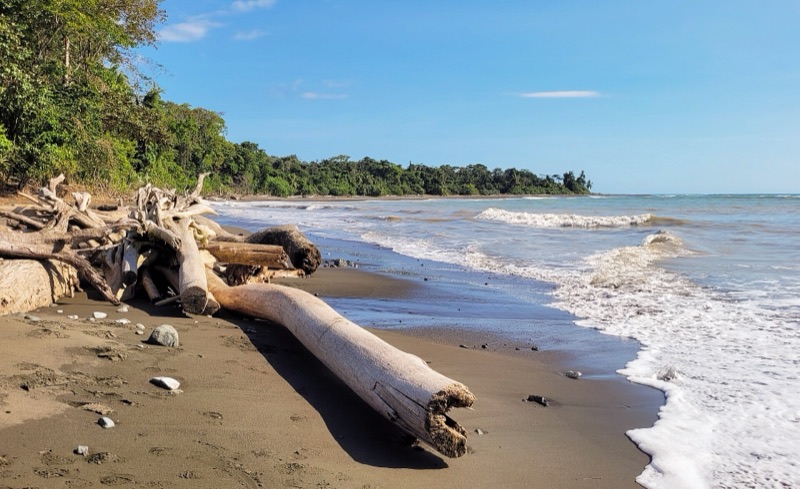
Corcovado National Park
Best for Serious wildlife watchers; tapirs, scarlet macaws, all four monkey species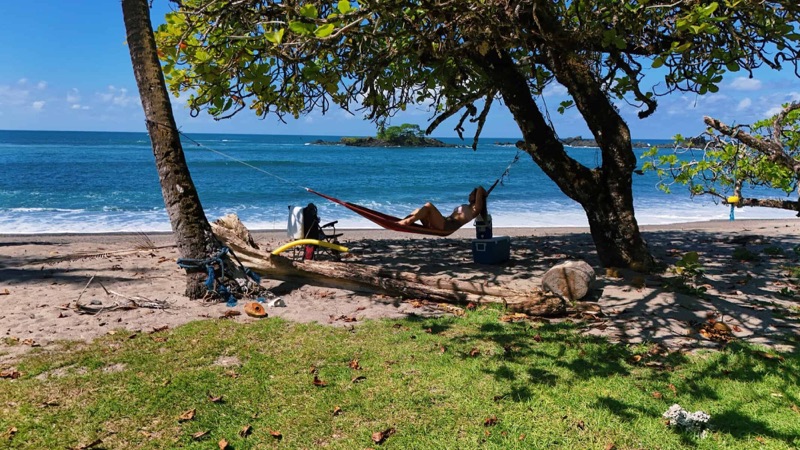
Copa de Arbol Beach and Rainforest Resort
Best for Couples, families and nature lovers who want an all-meals stay near Corcovado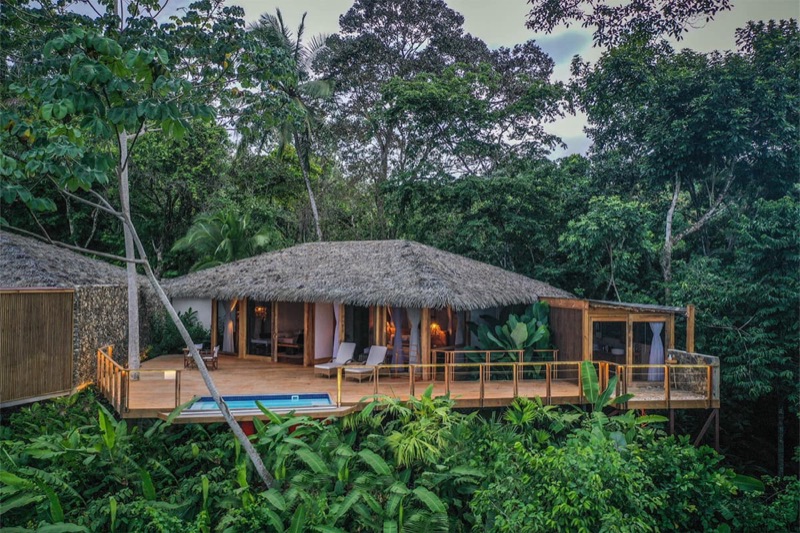
Lapa Rios Lodge
Best for Wildlife lovers, couples and families with children 6 and over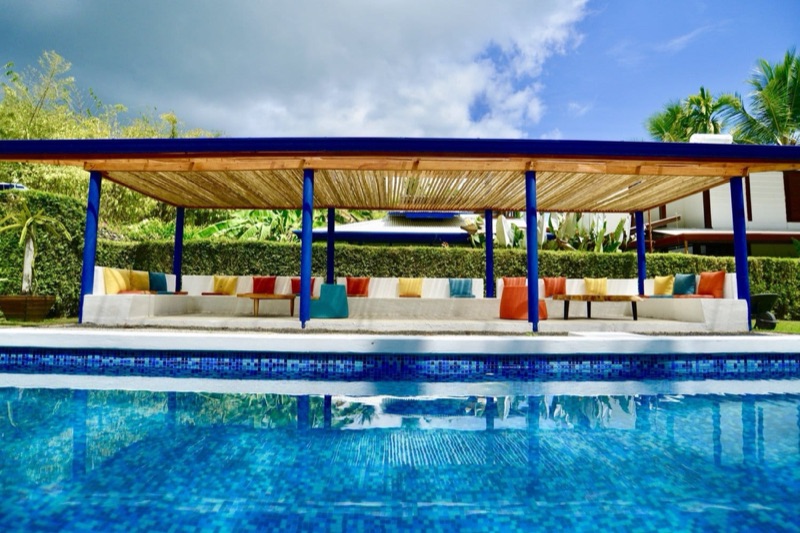
Blue Osa Yoga Retreat and Spa
Best for Yoga travelers, retreat groups and teacher-training students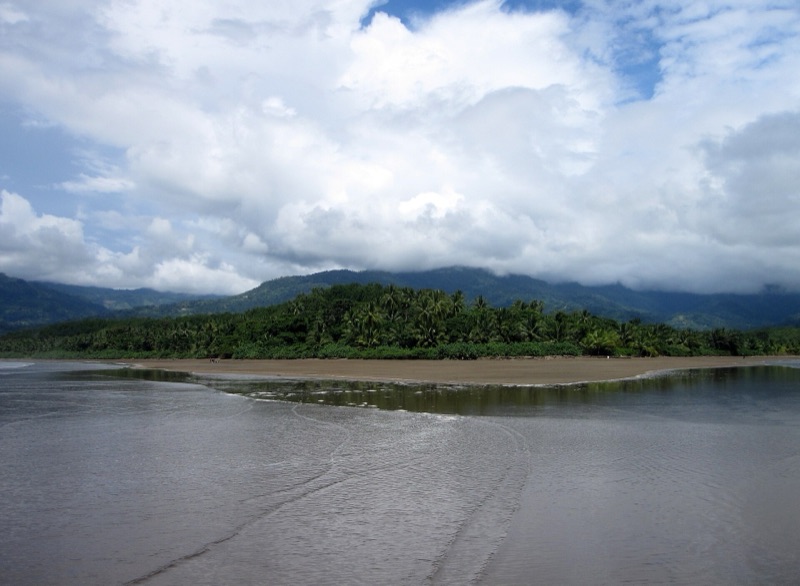
Marino Ballena National Park
Best for Beach days, whale watching and a low-tide walk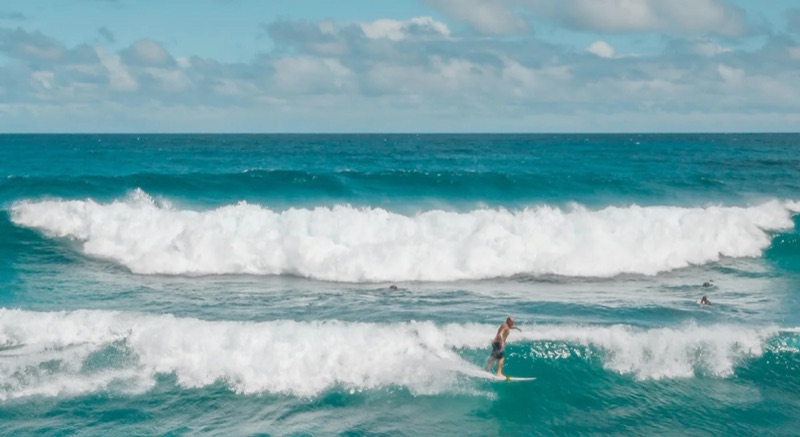
Uvita 360
Best for Beginner and improving surfers, families, active travelers based in Uvita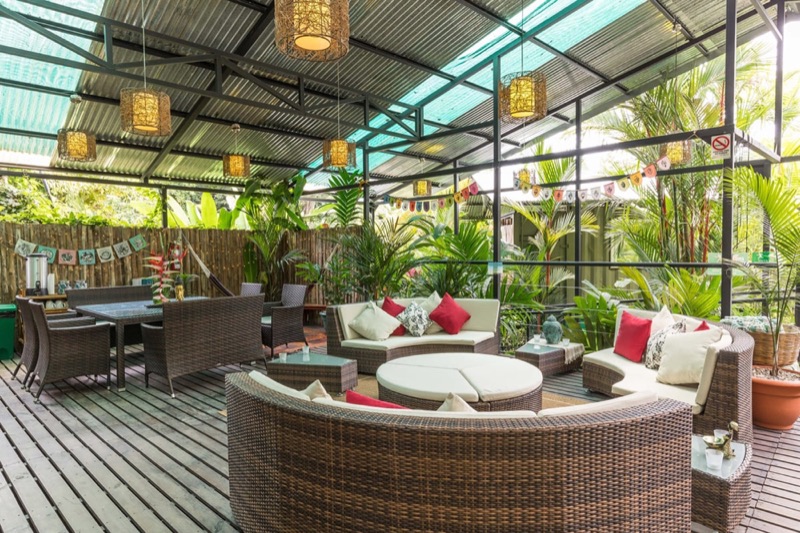
Danyasa Eco-Retreat and Boutique Hotel
Best for Yoga practitioners, surfers, solo travelers and retreat groups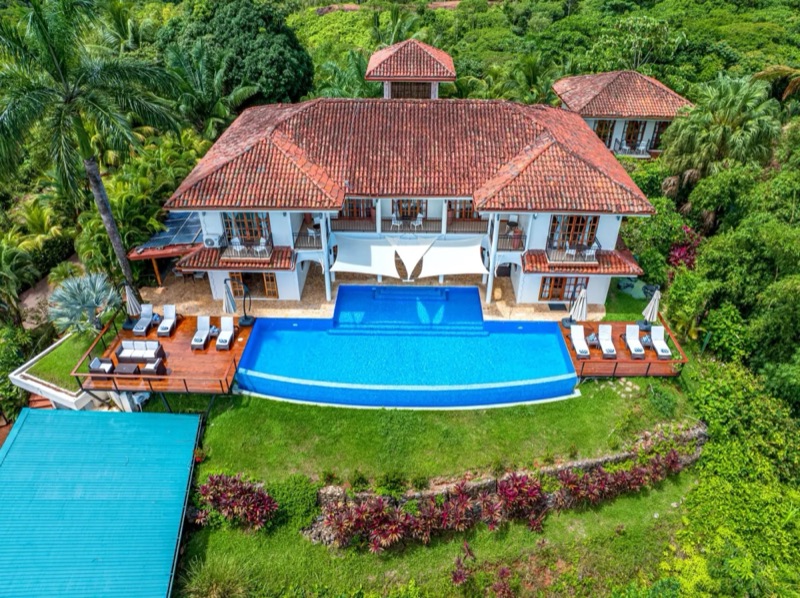
El Castillo Boutique Luxury Hotel
Best for Couples, honeymooners and small groups


