
Manuel Antonio is the small national park everyone seems to have heard of, and for good reason. Forest comes right down to white-sand coves, and in a single morning you can see sloths, capuchins, squirrel monkeys and iguanas, then go for a swim. The park sits just south of the town of Quepos, on the Central Pacific coast, and it's one of the most practical stops in the country: close to San José, easy without a car and good for every age.
This guide covers the wider Central Pacific too, from Carara and Jacó in the north to the start of the Costa Ballena in the south.
Getting there
From San José, Manuel Antonio is about 157 km away. Most of the drive is on the Route 27 highway to the coast and then south along the shore. By car, plan on roughly 3 hours, more with traffic.
By bus, Tracopa runs several direct buses a day between San José and Quepos and Manuel Antonio, taking about 2.5 to 4 hours. Shared shuttles from San José and the airport are another easy option, and they drop you at your hotel.
By air, small planes fly to Quepos airport (XQP), about 5 minutes from town. It's worth it if you're short on time or connecting from another region.
From the Nicoya Peninsula, a water taxi runs between Montezuma and Jacó in about an hour, which links the two coasts without the ferry and the long drive. Check our Nicoya Peninsula guide.
How many nights?
Plan 2 to 3 nights. One full day goes to the park, ideally starting early. The second day is for a boat or catamaran trip, a mangrove kayak, a canopy tour or the beach. If you add a stop at Carara or Jacó on the way in, add a night.
Quepos or the hill?
Quepos is the working town at the bottom of the road, with a marina, local restaurants, a supermarket and the best-value rooms.
The Manuel Antonio road climbs from Quepos and then winds down 6 to 8 km to Playa Espadilla and the park entrance, with hotels, restaurants and sunset views all along it. Staying near the park end is the most convenient. Public buses run up and down about every 30 minutes during the day, and taxis are easy to find.
Two hotels we've checked show the range. Parador Nature Resort is a full-service resort on the Punta Quepos headland, with 12 acres of forest next to the national park, several pools and the CST Elite sustainability certification. The Falls by Lalibela is a smaller mid-range hotel bordering the park, with an infinity pool and a restaurant, about a 10-minute walk from shops and restaurants. For a simpler, family-founded stay, Hotel Divisamar is on the same road. ACAM Costa Rica also has a page on Hotel California, another hotel on the Manuel Antonio hillside, and if you'd like to add a few days of yoga or wellness, Retreat Vacations lists retreat centers in Costa Rica.
The national park
Manuel Antonio National Park was created in 1972 and protects about 1,983 hectares of land plus a much larger marine area. Inside are four beaches: Manuel Antonio, Espadilla Sur, Tesoro and Playita. Lifeguards work the main beaches, but rip currents do occur, so swim where it's calm.
The rules that trip people up:
- It's closed every Tuesday. It does open on public holidays like Christmas and Easter, unless they fall on a Tuesday.
- Tickets are sold online only, through SINAC, the national park service, and you need ID to buy them. You can't buy them at the gate. Around Easter and the Christmas holidays, tickets can sell out weeks ahead.
- Go early. Animals are most active in the morning, and the trails are quieter.
- Hire a guide. Licensed guides wait near the entrance from early morning. They carry spotting scopes and find far more animals than you will on your own.
The park is home to three of Costa Rica's four monkey species, including the endangered Central American squirrel monkey, both two-toed and three-toed sloths, and more than 180 bird species.
Beyond the park
Playa Espadilla, the long public beach just outside the park, is about 200 m from the entrance and a good place for sunset.
Boat trips run from the Quepos marina, and humpback whales can be seen near shore in season.
Carara and the Tárcoles River. About halfway between San José and Quepos, Carara National Park is a classic birding stop, known for scarlet macaws. Nearby, the bridge over the Tárcoles River is famous for crocodiles on the banks below. Rancho Capulin, a bed and breakfast in Capulín about 10 minutes from Carara and an hour from San José airport, is a quiet place to break the drive.
Jacó is the region's lively surf and party town, about halfway between San José and Manuel Antonio.
Fitting Manuel Antonio into a route
Manuel Antonio is an easy 2 or 3 nights at the end of a classic loop: San José to Arenal, on to Monteverde, then down to the Pacific. From here, continue south along the coastal highway to Dominical and Uvita, about an hour from Quepos, and on to the Osa Peninsula. Our 10-day itinerary and 2-week itinerary both use this route, and it works well without a car.
When to go
The Central Pacific has a clear dry season from about December to April, with sunny mornings and the busiest crowds. From May, afternoon rain becomes the norm, and September and October are the wettest months. The green season is quieter and still good for the park, since mornings are often dry. See our Costa Rica weather guide.
Practical tips
- Never leave things unattended on the beach, even for a few minutes, and especially after dark.
- Don't feed the monkeys or raccoons. It harms them, and they will go after your bag.
- Book ahead for Easter and New Year. Rooms and park tickets both fill up.
- Walk the road carefully. It's busy and lacks sidewalks in places.
- At Tárcoles, stay with your car. Break-ins are a known problem while people watch the crocodiles.
Where to stay near the Central Pacific coast
Live prices from Booking.com, Expedia, Hotels.com and more.
Frequently asked questions
What day is Manuel Antonio National Park closed?
Tuesday, every week. It opens on major holidays unless they fall on a Tuesday.
Can you buy Manuel Antonio tickets at the gate?
No. Since 2021, tickets have been sold online only, through the national park service SINAC, and you need ID to buy them.
How long does it take to get from San José to Manuel Antonio?
About 3 hours by car, or 2.5 to 4 hours on the direct public bus. Flights to Quepos take much less time.
Do I need a guide in Manuel Antonio?
It isn't required, but it's worth it. Guides spot sloths and monkeys you'd walk straight past, and they're easy to hire at the entrance.
Should I stay in Quepos or Manuel Antonio?
Quepos for value and local life, the Manuel Antonio road for views and being close to the park and beach.
The places in this guide
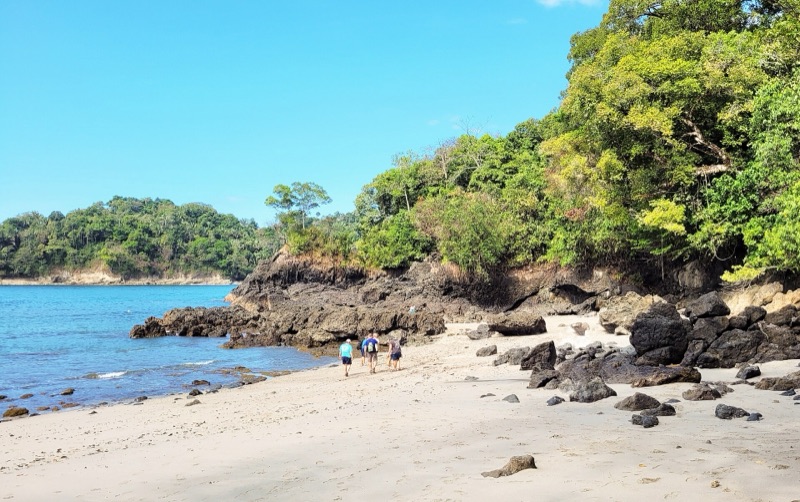
Manuel Antonio National Park
Best for Easy wildlife watching and swimming beaches in one morning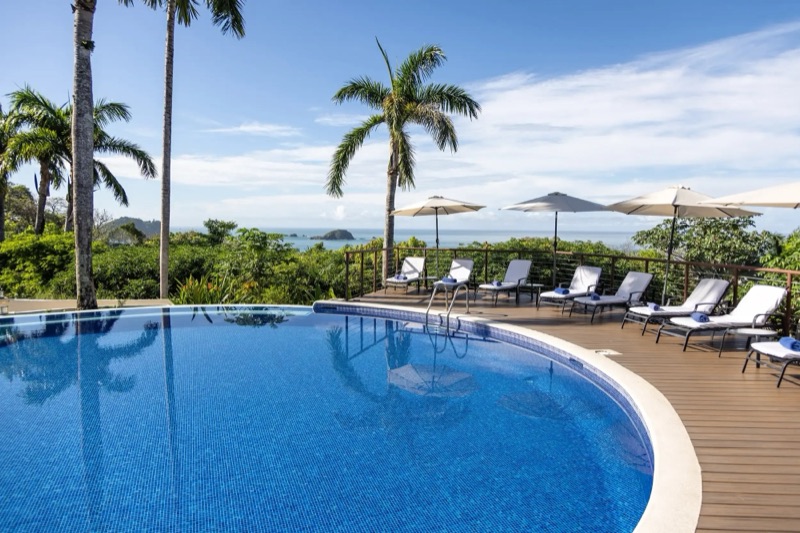
Parador Nature Resort
Best for Families, couples and groups who want a full-service resort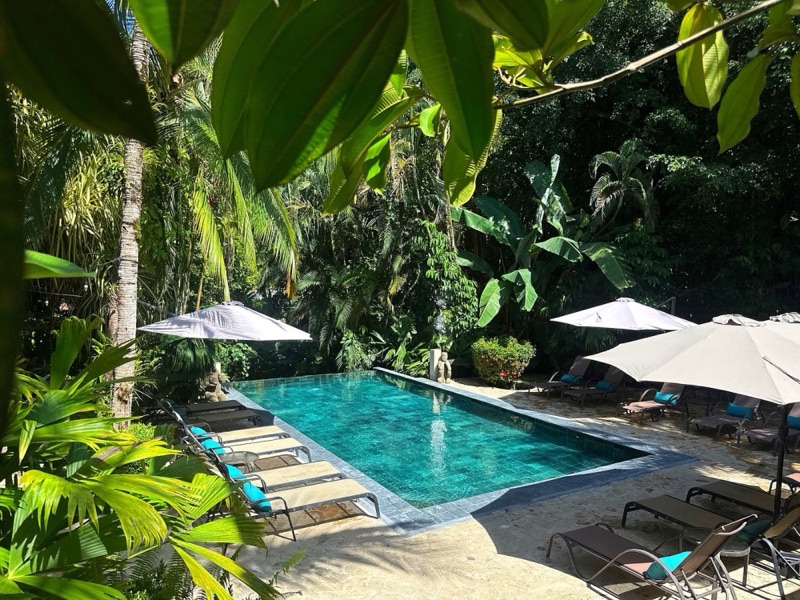
The Falls by Lalibela
Best for Couples and families who want a walkable jungle base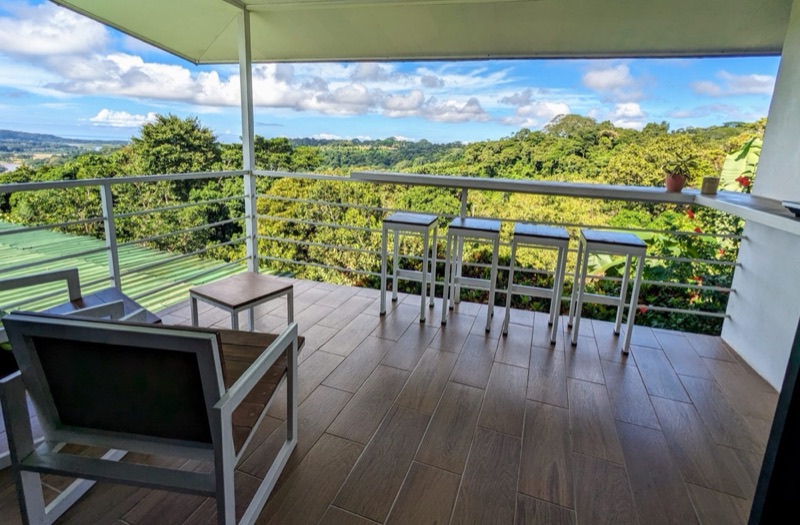
Rancho Capulin Bed and Breakfast
Best for First or last night near SJO, birders, travelers heading for the Pacific coast


