
The Nicoya Peninsula is the long arm of land that hangs off Costa Rica's northwest coast, with the Gulf of Nicoya on one side and the open Pacific on the other. Its northern half belongs to Guanacaste and its southern tip to Puntarenas, and the two halves are reached in different ways. That split is the single most important thing to understand when you plan.
Two peninsulas in one
The southern tip is Santa Teresa, Mal País, Montezuma, Cabuya and Tambor. It's surf, yoga, small hotels and forest running down to the beach. You reach it from the Gulf side, by ferry from Puntarenas or by a short flight.
The north and middle are Nosara, Sámara and the coast around them. These towns are closer to Liberia airport and are reached by road through Guanacaste. If you're flying into Liberia and want Nicoya-style beaches without the ferry, this is where to look. See our Guanacaste guide for that side.
Driving from one end to the other is possible, but long, and parts of the coast road are rough. Most travelers pick one half.
Getting to the southern tip
By ferry. Naviera Tambor runs car and passenger ferries across the Gulf of Nicoya between Puntarenas and Paquera, a crossing of about 11 nautical miles. The timetable in force since April 2026 lists 8 departures a day each way, from early morning to late evening. You can buy a limited number of spaces online through Quick PayCR; the rest are sold at the ticket offices. In busy weeks, arrive early or book ahead, especially with a car.
From Paquera, the road to Cóbano is paved, and Montezuma is about an hour from the ferry. Altogether, plan on 4 to 5 hours from San José to Montezuma. Buses meet the ferry and run on to Cóbano, Montezuma, Mal País and Santa Teresa.
By air. Sansa flies from San José to the airstrip that serves Santa Teresa and Mal País (airport code ACO, near Cóbano). The flight is short and saves several hours, though bags are limited. It's the best choice if you only have a few days.
By water taxi. Fast boats run between Montezuma and Jacó on the Central Pacific coast in about an hour. It's a handy shortcut if you're combining Nicoya with Manuel Antonio.
How many nights?
Plan 4 to 5 nights for one base on the southern tip. The ferry or flight takes most of a day each way, so a 2-night stay rarely feels worth it. A week lets you split time between Santa Teresa and Montezuma, or add Nosara.
Where to base yourself
Santa Teresa and Mal País are the surf towns, strung out along a single coast road for several kilometers. As of 2025 the main road through Santa Teresa and on to Mal País is paved, which has cut the famous dust, though side roads and beach lanes are still rough. The breaks work for many levels, and sunsets over the open Pacific are a nightly event. Read more about Santa Teresa beach. For a hillside stay with yoga, Horizon Hotel and Yoga Center has cabins and villas above town.
Montezuma is a small, walkable village on the Gulf side, with calmer water, a waterfall walk from town and a long-running creative, back-to-the-land feel. See our Playa Montezuma page. There's one ATM in town and it's often out of service, so bring cash.
Tambor has a long, calm bay and the peninsula's big all-inclusive, Barceló Tambor, a practical choice for families who want everything on site.
Nosara and Sámara suit travelers coming from Liberia. Nosara is popular with surfers, and Sámara has a lively beach scene.
What to do
Cabo Blanco. Cabo Blanco, at the very tip of the peninsula, is where Costa Rica's protected-area system began in 1963, thanks to the efforts of Nicolás Wessberg and Karen Mogensen. The main trail runs through forest to a remote beach, and the walk takes about 2 hours each way, so start early.
Curú. Curú Wildlife Refuge, between Paquera and Tambor, is a small reserve with easy trails and a quiet beach. It's an easy stop on the way to or from the ferry.
Tortuga Island. Boat trips run from Montezuma and the Gulf side to Isla Tortuga for swimming and snorkeling, and divers can arrange trips to the islands too. Book with a local operator; Costa Rica Journeys has an older write-up of Cocozuma Traveler, one of the Montezuma tour companies, but check who's running trips when you go.
Ostional. On the Guanacaste side near Nosara, Ostional is one of the world's two most important nesting beaches for olive ridley sea turtles, which come ashore in mass nestings called arribadas.
Surf, yoga and waterfalls. Santa Teresa and Mal País are the surf hubs, Montezuma has its waterfalls, and yoga classes are easy to find in all three towns.
Fitting Nicoya into a route
The southern tip works best at the end of a trip, when you want to slow down. A classic route runs San José to Arenal, on to Monteverde, down to Puntarenas for the ferry, and then several nights in Santa Teresa or Montezuma. From there, you can fly back to San José, or take the water taxi to Jacó and continue to Manuel Antonio. Our 2-week itinerary uses this route, and getting around Costa Rica compares ferries, shuttles and domestic flights.
When to go
The peninsula follows the Pacific pattern: dry from about December to April and wetter from May to November, with September and October the rainiest. Our weather guide has the details.
Practical tips
- ATVs and scooters are the usual way around Santa Teresa and Mal País. Drive carefully on gravel side roads, and wear a helmet.
- A 4x4 isn't needed for the main paved road between Santa Teresa and Mal País, but it helps for beaches farther north or south and in the rainy season.
- Cash matters. ATMs are few and sometimes empty, and not every business takes cards.
- Respect the waterfalls. People are seriously hurt jumping at Montezuma's upper falls. Wear shoes on the trail.
Where to stay near the southern Nicoya Peninsula
Live prices from Booking.com, Expedia, Hotels.com and more.
Frequently asked questions
How do you get to Santa Teresa from San José?
Either drive or take a bus to Puntarenas, cross on the Naviera Tambor ferry to Paquera and continue by road, or fly with Sansa to the airstrip near Cóbano that serves Santa Teresa and Mal País.
How often does the Puntarenas to Paquera ferry run?
The timetable in force since April 2026 lists 8 departures a day in each direction. Check the Naviera Tambor website before you travel, because schedules change.
Santa Teresa or Montezuma?
Santa Teresa for surf, sunsets and more restaurants. Montezuma for a small walkable village, calmer water and waterfalls. They're close enough to visit both.
Can you reach Nosara from Liberia?
Yes. Nosara and Sámara are reached by road through Guanacaste, and Sansa also flies to Nosara. That's usually easier than coming via the ferry.
Do I need cash on the Nicoya Peninsula?
Yes, bring some. Montezuma has a single ATM that's often out of service, and the nearest bank is in Cóbano.
The places in this guide
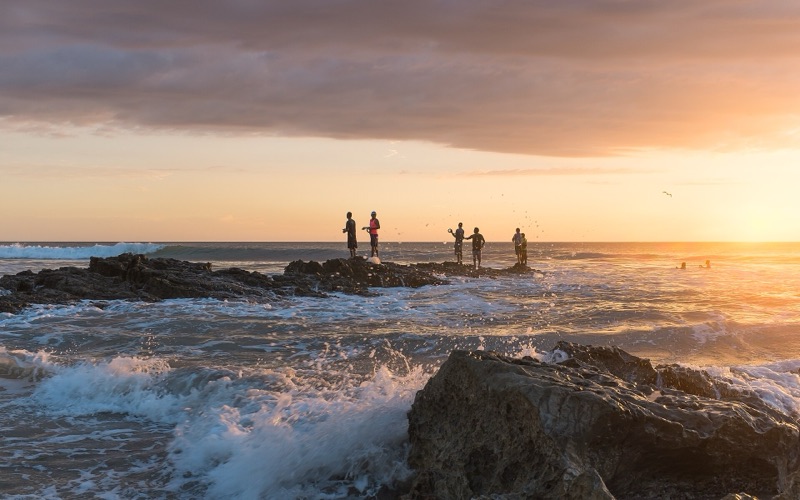
Playa Santa Teresa
Best for Surfers of all levels, sunsets, a lively small-town base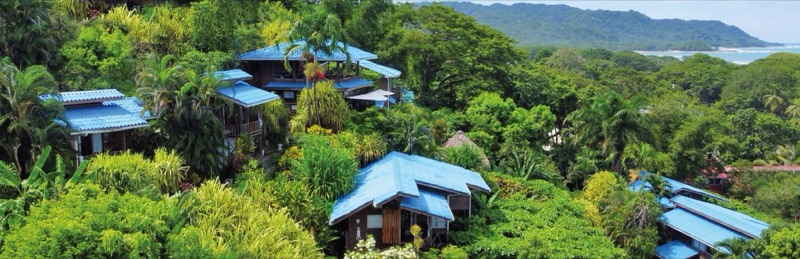
Horizon Hotel and Yoga Center
Best for Yoga travelers, couples and surfers who want quiet nights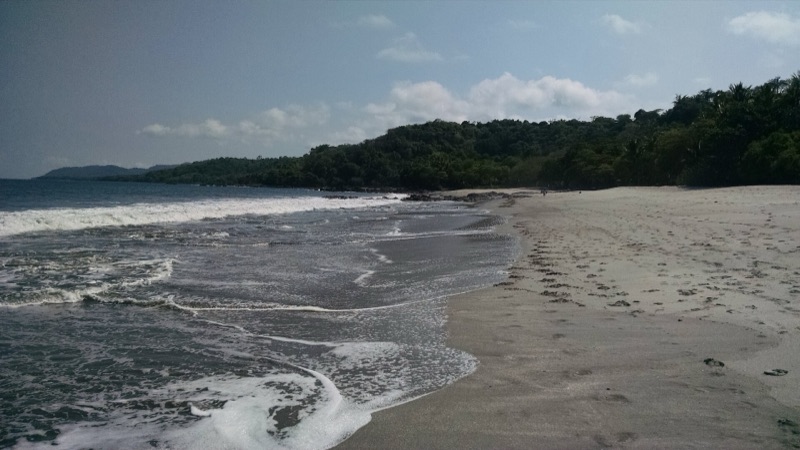
Playa Montezuma
Best for Beach days, waterfall swims and a walkable village base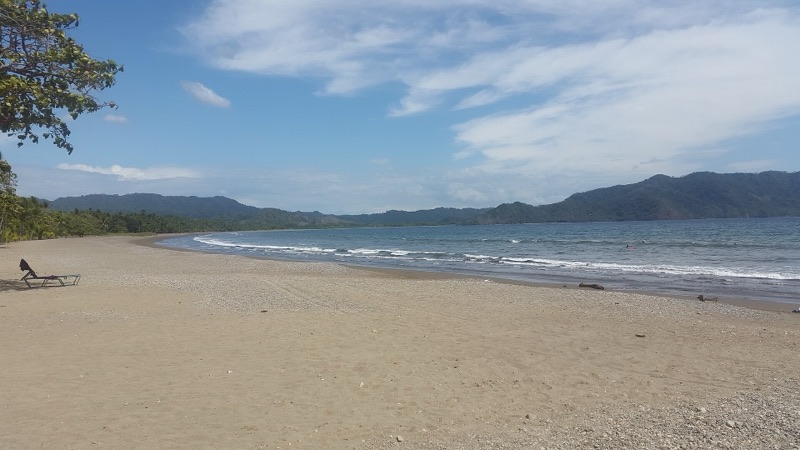
Barceló Tambor
Best for Families and groups who want an all-inclusive beach stay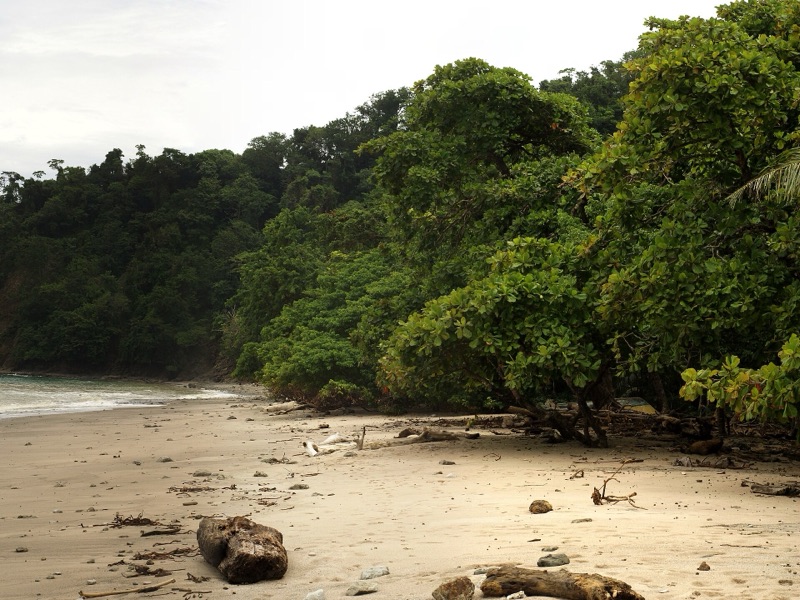
Cabo Blanco Absolute Natural Reserve
Best for A morning hike from Montezuma, Cabuya or Santa Teresa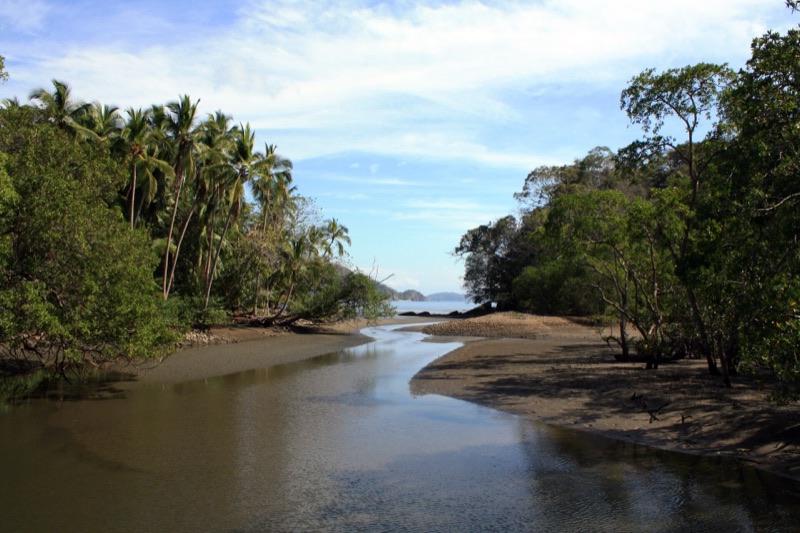
Curú Wildlife Refuge
Best for A first wildlife stop after the ferry, or a half day from Montezuma or Tambor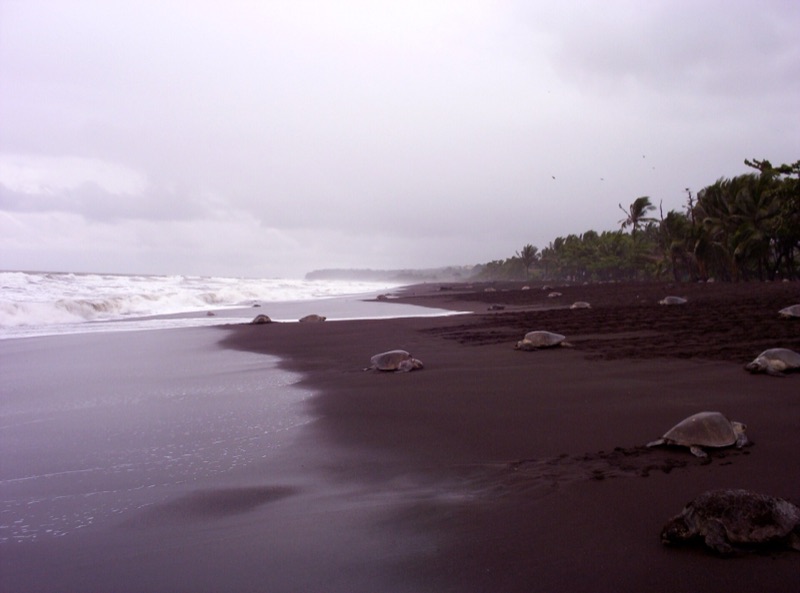
Ostional Mixed Wildlife Refuge
Best for Travelers staying around Nosara who can shift plans by a few days


