
Costa Rica is warm all year, so the question isn't really "when is it hot?" but "when is it dry, and where?" The country has 2 seasons, defined by rain rather than temperature, and the pattern changes from one coast to the other. Get this right and you can plan a great trip in almost any month.
The 2 seasons
Dry season (December to April). Costa Ricans call it verano, summer. The Pacific side and the Central Valley get very little rain, and these are the busiest months for visitors. Book popular hotels and shuttles early, especially around the end-of-year holidays and Easter week.
Rainy season (May to November). Called invierno, winter, and often sold as the "green season". Rain is heaviest in September and October across most of the country. Wikivoyage notes these are also the months with the fewest tourists. The UK government's travel advice points out that peak rainy season, June to November, overlaps with the Atlantic hurricane season, and heavy rain can cause landslides, potholes and road closures.
Temperature depends on height, not the month
Altitude matters more than the calendar. The coastal lowlands average around 27°C (81°F), the populated parts of the central mountains around 20°C (68°F), and the highest summits drop below 10°C (50°F). In practice, that means beach clothes on the coast and a warm layer and rain jacket for Monteverde, the volcano areas and San José evenings.
Region by region
Guanacaste and the North Pacific
The driest part of the country. Weather records for Liberia show under 25 mm of rain in each month from December to April, then heavy rain from June to October, peaking in September. If you want near-guaranteed sun on a beach, this is the place in the dry season. Hiking at Rincón de la Vieja National Park is also easiest in the dry months. See our Guanacaste guide.
Nicoya Peninsula
Similar to Guanacaste: dry from December to April and wet later in the year, with September and October the hardest months for dirt roads. See our Nicoya Peninsula guide.
Central Valley and San José
Mild all year. San José's records follow the national pattern: almost no rain in January, and September the wettest month.
Arenal and Monteverde
Both sit higher than the coast, so they're cooler, and cloud can hide the top of Arenal Volcano for hours. Staying 2 nights rather than 1 gives you a better chance of a clear view. Bring a warm layer for Monteverde. In the rainy months, the unpaved road up to Monteverde can get slippery, and Wikivoyage recommends a 4x4. Read our Arenal and Monteverde guides.
Manuel Antonio and the Central Pacific
Follows the Pacific pattern: dry from December to April, wettest in September and October. See our Manuel Antonio guide.
Osa Peninsula and the South Pacific
Plan around the rain here. Parts of Corcovado National Park close during the wettest months, from July to November, and Wikivoyage says the boats from Sierpe to Drake Bay don't run in October. Plan Osa trips for the dry season if you can. See our Osa Peninsula guide.
The Caribbean coast
The big exception. The Caribbean slopes are the wettest part of Costa Rica, with more than 5,000 mm of rain a year on the mountains, and rain can fall in any month. But the timing is different. At Limón, September is the least rainy month, while December, July and November are the wettest. That makes the Caribbean, including Cahuita National Park and Puerto Viejo, the best place to be when the Pacific side is at its wettest. See our Caribbean coast guide.
Month by month at a glance
| Month | Pacific side and mountains | Caribbean |
|---|---|---|
| January | Dry, busy | Mixed |
| February | Dry, busy | Mixed |
| March | Dry | Mixed |
| April | Dry; Easter week very busy | Mixed |
| May | Rains return | Mixed |
| June | Rainy, green | Mixed |
| July | Rainy | One of the wetter months |
| August | Rainy | Mixed |
| September | Wettest | Driest |
| October | Very wet | Mixed |
| November | Rainy | One of the wetter months |
| December | Dry season starts, busy at the holidays | Wettest |
Wildlife calendar
- Green turtles at Tortuguero: they nest from June to October, and Wikivoyage says late July to mid-September is the likeliest time to see them on a guided night tour. Leatherbacks arrive between February and June. See Tortuguero National Park.
- Giant mantas in Guanacaste: dive operators such as Rocket Frog Divers say they're most often seen at the Catalina Islands from late December to early May.
Is the rainy season worth it?
Often, yes. Hotels are quieter and the landscapes are at their greenest. The trade-offs are muddy trails, river crossings that can rise, and slower roads. If you travel in the rainy season, keep each day's driving short, carry rain gear, and avoid driving at night. Our getting around guide has more on road conditions.
Frequently asked questions
What is the best month to visit Costa Rica?
For the Pacific beaches and most first-time routes, February and March are reliable: dry, sunny and past the holiday rush. For the Caribbean coast, September is usually the driest month.
When is the rainy season in Costa Rica?
May to November in most of the country, with September and October usually the wettest months.
Is it worth visiting Costa Rica in September or October?
Yes, if you plan around the weather. Spend more of your time on the Caribbean coast, where September is the least rainy month, and keep plans for the Pacific side flexible.
Is Costa Rica cold?
Not on the coast, where temperatures average around 27°C. Monteverde, the volcano areas and San José are cooler, especially at night, so pack a warm layer.
When is hurricane season in Costa Rica?
The UK government's advice puts peak rainy and hurricane season at June to November. Heavy rain in those months can cause flooding, landslides and road closures.
The places in this guide
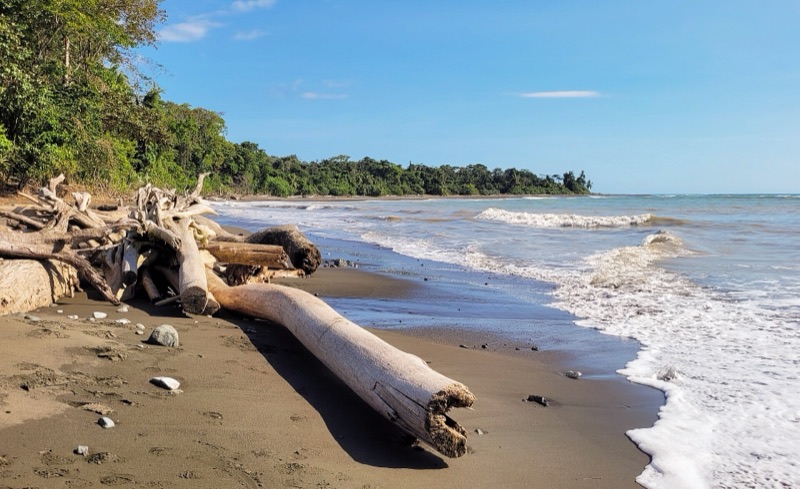
Corcovado National Park
Best for Serious wildlife watchers; tapirs, scarlet macaws, all four monkey species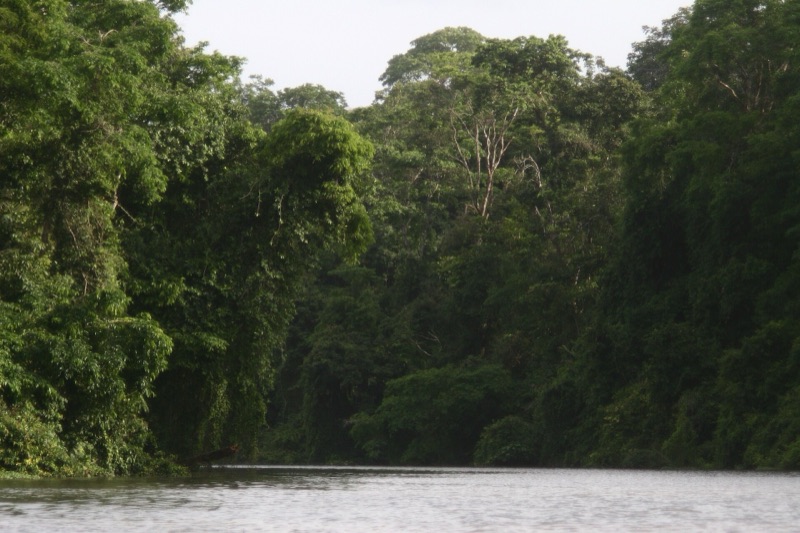
Tortuguero National Park
Best for Canal wildlife trips and turtle nesting tours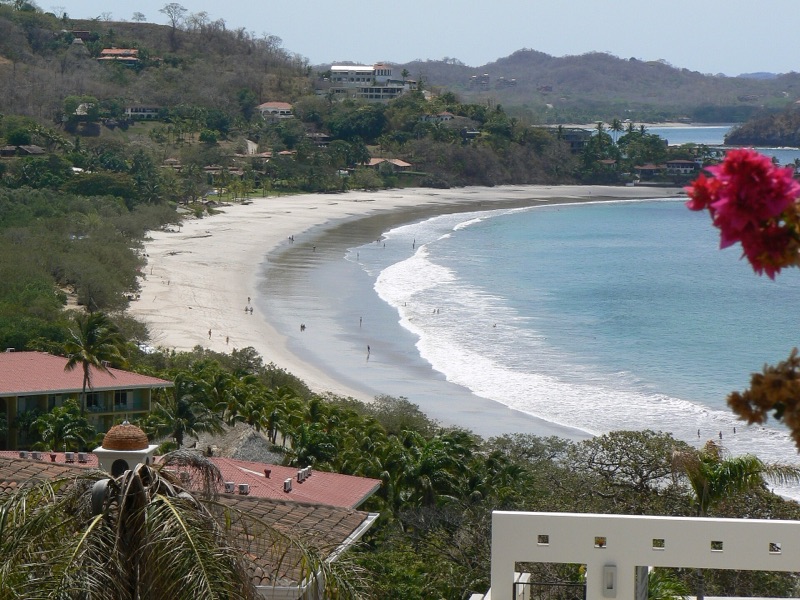
Rocket Frog Divers
Best for Certified divers chasing mantas and bull sharks, and beginners doing a first PADI course


