
Most trips to Costa Rica go smoothly. Wikivoyage describes it as one of the less crime-ridden countries in Latin America, and the tourist routes are well travelled. But no country is risk-free, and the dangers here aren't always the ones people expect. The sea is a bigger threat than crime, and the most common crime is opportunistic theft that a few habits will prevent.
This guide pulls together official advice from the UK government (FCDO) and practical experience. Always read your own government's current travel advice before you go, as it can change quickly.
The sea: the biggest risk
Rip currents are very common on Costa Rica's beaches, and many beaches have no lifeguards. The UK government says an average of 50 to 60 people drown each year, about a third of them tourists.
- Ask before you swim. Wikivoyage notes that unsafe beaches usually aren't signed, so ask your hotel or local surfers where it's safe.
- Watch the water first. Rips often look like calmer, darker channels between breaking waves, with foam or debris moving out to sea.
- If you're caught, don't fight the current. Swim parallel to the shore until you're out of it, then head back in. If you can't, float and signal for help.
- Never swim alone, after drinking, or at dusk.
- Take care on boat and snorkel trips. The UK government mentions recent snorkelling deaths, so choose reputable operators and wear a life jacket if you're not a strong swimmer.
- Crocodiles. The UK government notes regular sightings on the Pacific coast, from Playa Azul to Playa Esterillos. Don't swim in river mouths or estuaries.
Conditions change with the tide and the swell, so a beach that was calm yesterday may not be today. That applies to park beaches too, such as those in Manuel Antonio National Park.
Theft: protect your things
Most crime against visitors is theft, not violence. The UK government and Wikivoyage both highlight the same patterns:
- Cars: don't leave luggage in a parked car, not even in the boot. Check out of hotels and drive straight to the next one rather than stopping for sightseeing with bags in the car.
- The slashed-tyre trick: someone damages a tyre, then a "helper" stops while a partner takes your bags. If you get a flat, drive slowly to a busy, well-lit place before stopping.
- Strangers flagging you down: the UK government advises not to stop for strangers signalling for help in a rental car.
- Beaches: don't leave phones, cameras or bags on the sand while you swim.
- Buses and ATMs: keep bags in sight on buses, and use ATMs inside banks or shops.
- At night: avoid walking alone in poorly lit or remote areas, particularly in San José.
Wikivoyage reports that pickpocketing and car break-ins have increased since the pandemic, especially around San José.
On the road
Driving is the other big risk. The UK government says speeding, dangerous overtaking and ignoring traffic lights cause accidents, and bridges often narrow to a single lane. Wikivoyage advises against driving at night because of potholes and few guardrails on mountain curves, and points out that pedestrians don't have right of way.
- Drive in daylight only, and leave extra time.
- Use Waze for live traffic and road closures.
- After an accident with injuries or disputed blame, don't move your car until the traffic police arrive.
- In the rainy season, check road conditions before long drives.
Our getting around guide covers driving in more detail, and Costa Rica without a car explains how to skip it.
Volcanoes, earthquakes and the rainy season
- Volcanoes: the UK government says Costa Rica has 16 volcanoes, several of them active, and Poás has had a recent series of significant eruptions. Stick to marked trails and follow park closures. At Arenal Volcano National Park, the trails cross old lava flows on the lower slopes.
- Earthquakes: small tremors are common. Learn your hotel's evacuation route.
- Rain: peak rainy season, June to November, can bring flooding and landslides. The UK government advises avoiding volcanic areas during and after heavy rain.
See our weather guide for the seasons.
In the national parks
- Hike with a guide in remote parks. In Corcovado National Park, a certified guide has been mandatory since 2014.
- Don't feed or touch wildlife, and keep food packed away on the trails.
- Carry water and start early. Heat and humidity are tiring, and parks close before dark.
- Wildlife and souvenirs: the UK government warns that removing wildlife, including seashells, can lead to a fine.
Health basics
Wikivoyage says tap water in cities is almost always safe to drink; use bottled or filtered water in rural areas if you're unsure. Use insect repellent, especially at dawn and dusk, and wear long sleeves in the evening. If you're arriving from a country with yellow fever risk, the UK government says you need a vaccination certificate.
Emergency contacts
- Emergencies: 911
- Traffic police: 2222 9330 or 2222 9245 (listed by the UK government)
- Your embassy: save its number before you travel.
Get travel insurance that covers medical evacuation, especially if you're heading to the Osa Peninsula or other remote areas.
Frequently asked questions
Is Costa Rica safe for tourists?
Generally, yes. Most problems are theft of unattended belongings and accidents in the sea or on the road, and sensible habits prevent most of them.
Is it safe to swim at Costa Rica's beaches?
Many beaches have strong rip currents and no lifeguards. Ask locally where it's safe, swim with others, and stay out of river mouths.
Is it safe to drive in Costa Rica?
Yes, in daylight and with care. Avoid night driving, watch for single-lane bridges and potholes, and never leave bags in a parked car.
Is the tap water safe to drink?
In cities it's almost always safe. In rural areas, use bottled or filtered water if you're not sure.
The places in this guide
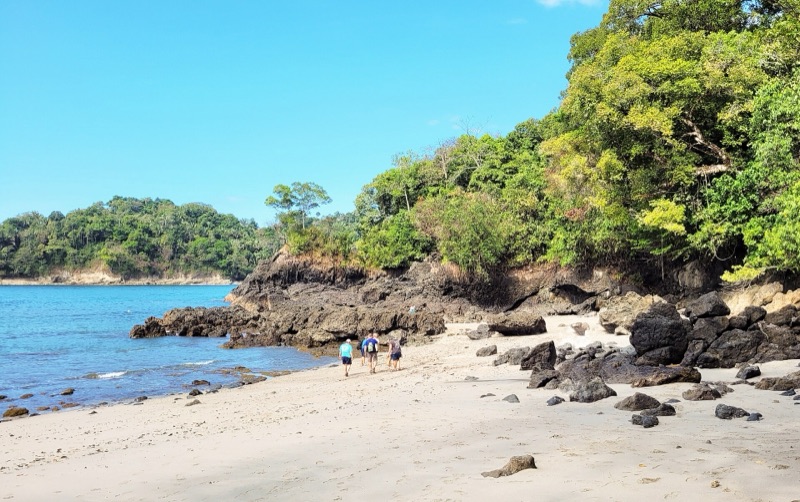
Manuel Antonio National Park
Best for Easy wildlife watching and swimming beaches in one morning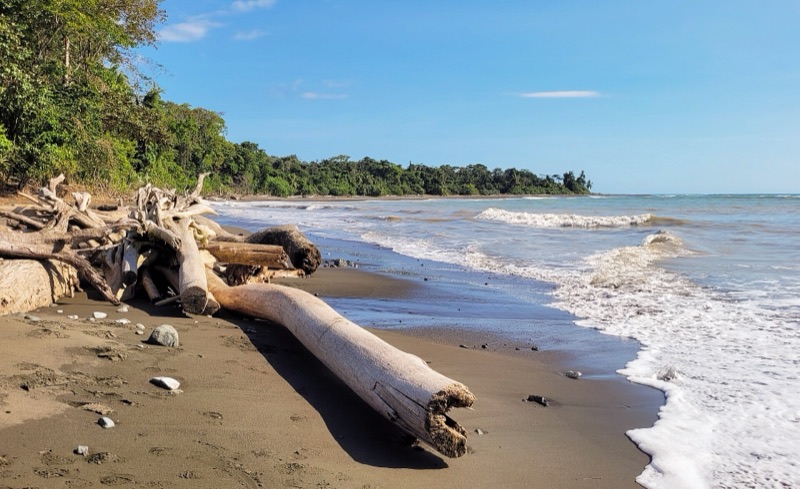
Corcovado National Park
Best for Serious wildlife watchers; tapirs, scarlet macaws, all four monkey species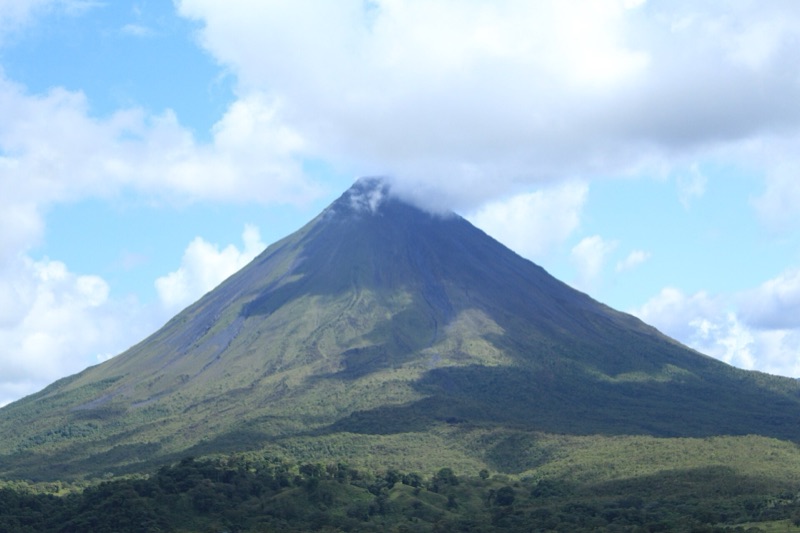
Arenal Volcano National Park
Best for A half-day walk from La Fortuna or El Castillo


