
The Caribbean side of Costa Rica feels like a different country. The coast is greener and wetter, rice and beans is on every menu, and Limonese Creole, an English-based creole, is spoken alongside Spanish. Afro-Caribbean families founded towns like Cahuita and Manzanillo, and many Jamaicans came to build the railroad to Limón. It gets fewer visitors than the Pacific, which is part of the appeal.
For planning, think of it as two separate trips. Tortuguero, in the north, is a roadless world of canals and nesting turtles. The south, from Cahuita to Puerto Viejo and Manzanillo, is about beaches, reef, rainforest and a relaxed village pace. Connecting them takes most of a day.
Getting there
From San José, the main road east is Route 32, which crosses the mountains through Braulio Carrillo National Park and drops to the lowlands and the port city of Limón. The mountain section is best driven in daylight.
To Cahuita and Puerto Viejo, continue south from Limón on Route 36. Puerto Viejo is about an hour south of Limón, and the whole trip from San José takes about 4 hours. Direct buses run several times a day and take about 4 hours too; door-to-door shuttles are a comfortable alternative.
To Tortuguero, there's no road at all. The classic budget route is a morning bus from San José to Cariari (about 2 hours), a local bus to the river landing at La Pavona, then a public boat through the canals to Tortuguero village, which can take up to 2 hours when the river is low. Boats also run from Moín, near Limón, which is handy if you're coming from or going to the south. Most Tortuguero lodges sell packages that include transport from San José, and Sansa flies to Tortuguero (TTQ) if you'd rather skip the travel day.
How many nights?
Tortuguero: 2 nights. You arrive in the early afternoon, do a turtle tour that night in season, take an early-morning canal tour the next day, and leave the following morning.
Cahuita and Puerto Viejo: 3 to 4 nights. Enough for a morning in Cahuita National Park, a day of beaches south of Puerto Viejo, a rainforest walk in the Gandoca-Manzanillo area and some time to slow down.
Tortuguero
Tortuguero National Park, created in 1975, protects beach, swamp forest and a maze of canals and lagoons on the northern coast. Several species of sea turtle nest on its beach, including green, leatherback, hawksbill and loggerhead turtles.
Turtle season. Green turtles nest from about June to October, and late July to mid-September usually gives the best chance of seeing one. Leatherbacks nest earlier in the year, in spring. Turtle tours are at night, in small groups, and only with certified local guides.
Canal tours. Early-morning boat tours along the canals are the best way to see the area's wildlife and birds. Paddle tours in canoes or kayaks are quieter than motorboats and can reach narrower channels.
Know before you go. The sea here is not safe for swimming because of rough surf and strong currents. Power cuts happen in the village, so bring a flashlight.
Where to stay. Most lodges sit along the canals and include boat transfers and tours. Laguna Lodge is one of the bigger ones, with gardens between the lagoon and the sea, and Valverde Glamping and Ecolodge, the former La Baula Lodge, is a smaller family-run choice.
Cahuita
Cahuita is a small, easygoing village with black-sand Playa Negra to the north and Cahuita National Park to the south. The park protects a forested point and one of the country's main coral reefs. The entrance at the edge of town is by donation, which is unusual for a Costa Rican national park. A 9 km coastal trail runs to the Puerto Vargas ranger station, taking 3 to 4 hours if you stop to watch wildlife. Go early, around 7 a.m., when it's quiet and the animals are active. Expect sloths, howler and capuchin monkeys, raccoons and coatis.
Puerto Viejo and the south
Puerto Viejo de Talamanca is livelier, with more restaurants, surf and nightlife. The beaches to the south, Playa Cocles, Playa Chiquita and Punta Uva, are some of the prettiest on the coast, and a flat road makes it easy to explore them by bike. At the end of the road, the Gandoca-Manzanillo Wildlife Refuge has forest, lagoons and reef.
Surfers come for Salsa Brava, a powerful reef break in town that works best on the larger swells of the dry season, roughly December to April. At other times the sea can be flat.
Where to stay depends on your style. Geckoes Lodge in Cocles has 4 self-catering houses, each with a private garden and plunge pool. Samasati is a yoga retreat on a forested hilltop above the coast, reached by 4x4 shuttle. Finca Tierra, an off-grid permaculture farm above Cocles, now runs residential courses and small farm-and-food retreats rather than ordinary stays. Costa Rica Journeys has older write-ups of more small places on this coast, such as Cabinas Caribe Luna, Costa Azul Lodge and Hotel Magellan Inn; check they're still taking bookings before you plan around them.
For a jungle lodge, Selva Bananito sits on a private forest reserve south of Limón, about 2.5 hours from San José plus a final stretch with river crossings. It's a good stop between San José and the southern beaches.
Fitting the Caribbean into a route
The Caribbean works as a 5 to 7 night loop from San José, or as the first leg of a longer trip. A natural route: San José to Tortuguero (2 nights), boat to Moín and on to Cahuita or Puerto Viejo (3 to 4 nights), then back to San José. You can also add Sarapiquí on the way, where La Quinta Sarapiquí Lodge sits about 2 hours from San José, and continue to Arenal. See our 2-week itinerary and Costa Rica without a car.
When to go
The Caribbean has no true dry season: rain can fall in any month, and humidity is higher than on the Pacific side. But the pattern is different from the rest of the country. At Limón, September and October are usually the least rainy months, while December is often the wettest. That makes this coast a good choice when the Pacific is at its rainiest. Our Costa Rica weather guide compares the regions.
Practical tips
- Rent a bike in Puerto Viejo. The coast road is flat, and it's the easiest way to beach-hop.
- Agree taxi fares first. Taxis on this coast are often unmarked.
- Watch for rip currents on the beaches around Puerto Viejo, and don't swim at Tortuguero.
- Book Tortuguero lodges early for July to September turtle season.
- Don't pay people to "help" hatchlings. Handling nests harms turtles.
Where to stay near the Caribbean coast
Live prices from Booking.com, Expedia, Hotels.com and more.
Frequently asked questions
How do you get to Tortuguero?
By boat or small plane only. Take a bus to Cariari and on to La Pavona, then a boat; take a boat from Moín near Limón; book a lodge package with transport; or fly with Sansa.
When is turtle season in Tortuguero?
Green turtles nest from about June to October, with the best odds from late July to mid-September. Leatherbacks nest earlier in the year.
Cahuita or Puerto Viejo?
Cahuita for a quiet village and the national park on your doorstep. Puerto Viejo for more restaurants, surf and nightlife, and easy bike rides to the southern beaches.
When is the best time to visit the Caribbean coast?
September and October are often the least rainy months on this coast, which makes them a good choice when the Pacific side is wettest. Rain is possible all year.
Is Cahuita National Park free?
The entrance in Cahuita town asks for a donation instead of a fixed fee, which is unusual among Costa Rica's national parks.
The places in this guide
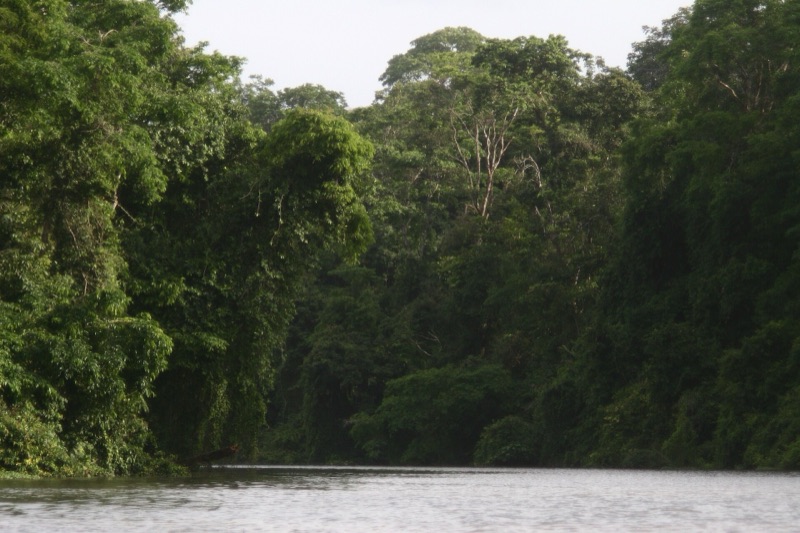
Tortuguero National Park
Best for Canal wildlife trips and turtle nesting tours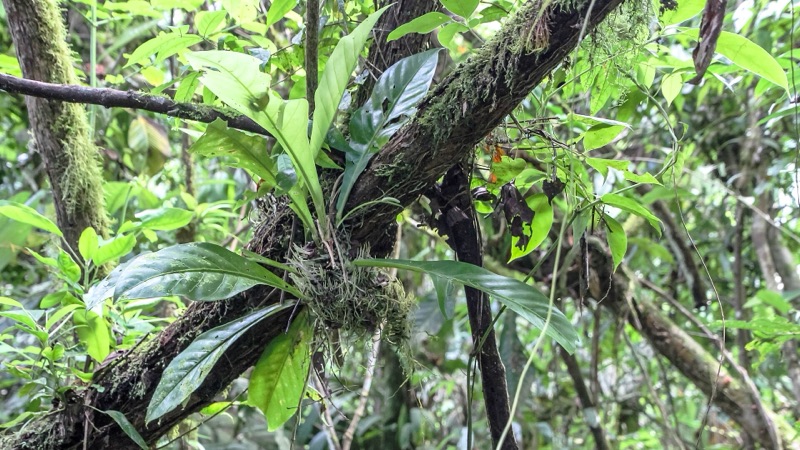
Selva Bananito Ecolodge
Best for Nature lovers, birders and adventurous couples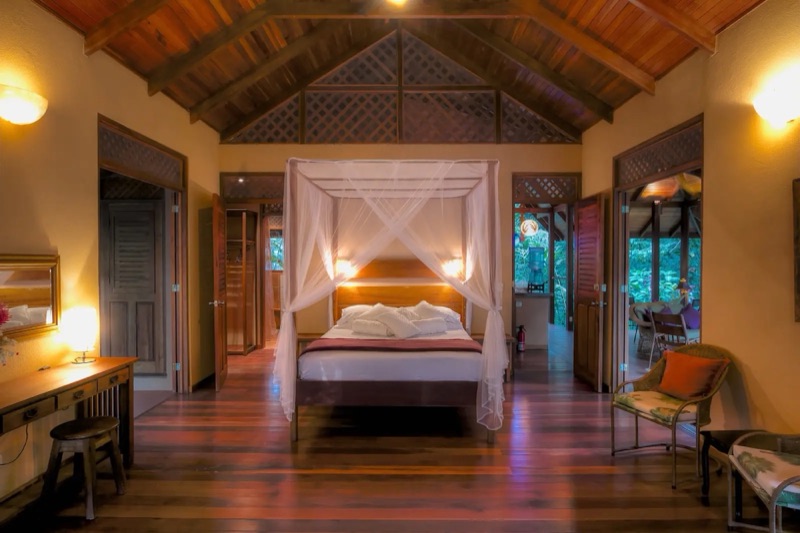
Geckoes Lodge
Best for Couples, honeymooners and small families who like to self-cater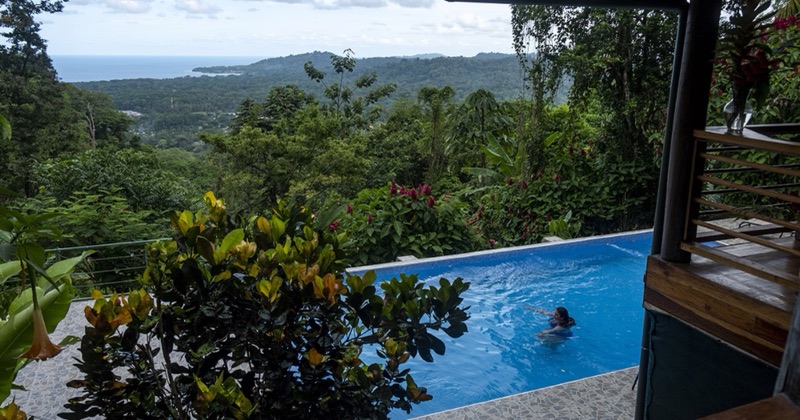
Samasati
Best for Yoga and wellness travelers, retreat groups, couples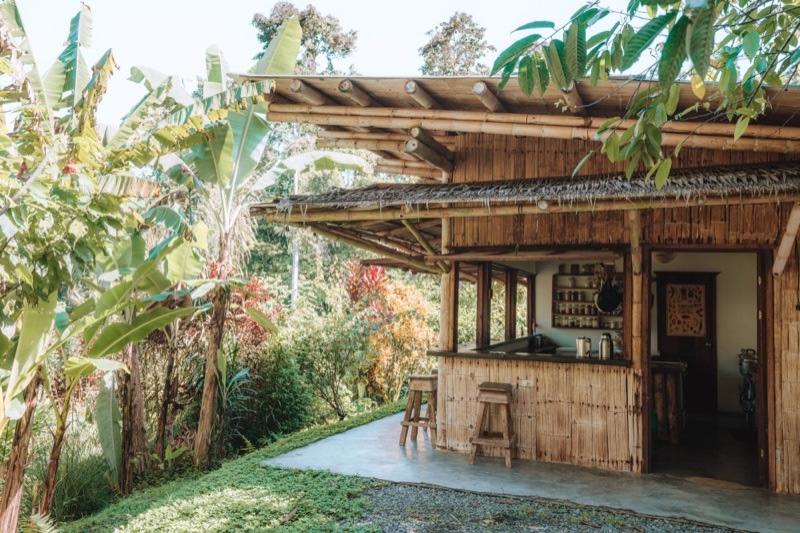
Finca Tierra Permaculture Education Center
Best for Permaculture students, sustainability learners, small farm and food retreats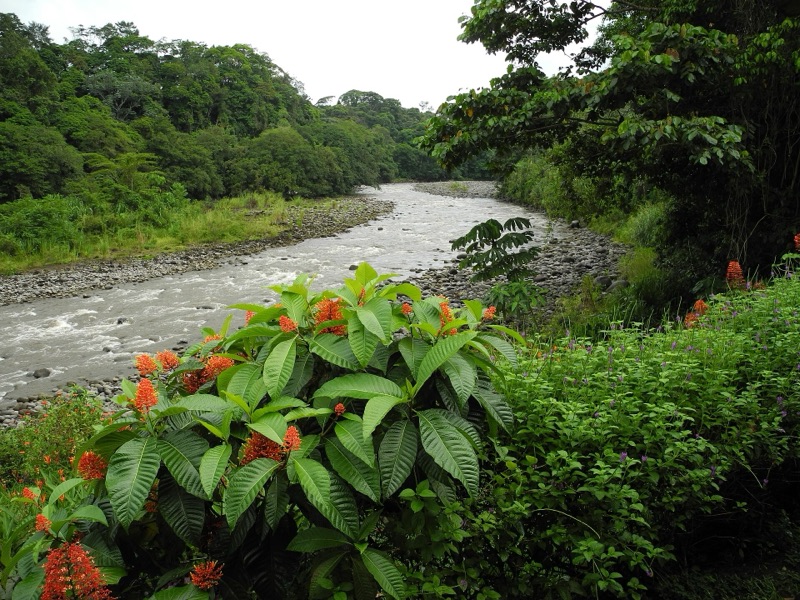
La Quinta Sarapiquí Lodge
Best for Families, birders and nature lovers


Sources
- Tortuguero National Park, Wikipedia
- Tortuguero travel guide, Wikivoyage
- Cahuita National Park, Wikipedia
- Cahuita travel guide, Wikivoyage
- Puerto Viejo de Talamanca travel guide, Wikivoyage
- Climate of Costa Rica (Geography of Costa Rica), Wikipedia
- Selva Bananito Ecolodge, location
- Sansa domestic destinations


