
Our first birding guide went up in 2014. Birding in Costa Rica is still as good as ever, and the planning advice below is new: which regions to combine, where the star species live, and how to organize the days. For a second take on the best birding spots, see Costa Rica Journeys' guide to birdwatching in Costa Rica.
Why Costa Rica is so good for birds
The official list kept by the Costa Rican Rare Birds and Records Committee had 948 species in July 2023. That's the greatest density of bird species of any mainland country in the Americas. About 600 are resident, and most of the rest are migrants that spend the northern winter here. Seven species are endemic, three of them found only on Cocos Island, and another 73 live only in Costa Rica and Panama.
The variety comes from the landscape. Within a few hours' drive you can go from Caribbean lowland rainforest to highland cloud forest to Pacific dry forest, and each has its own birds.
The regions to combine
Highland cloud forest: quetzals and hummingbirds
The resplendent quetzal is the bird many visitors come for. It lives in wet highland forest, roughly 900 to 3,200 m up, and moves between elevations through the year: from about July to October it shifts down to lower forests on the Pacific slope.
- Monteverde: the classic cloud forest. The reserve offers guided natural history walks from 7:30 am, and over 400 bird species are recorded in the area. It's one of the best-known places in the country to look for quetzals. Cloud Forest Lodge sits on a private reserve in the Bellbird Biological Corridor near town.
- Los Quetzales National Park: a cloud forest park off the Inter-American Highway south of Cartago, named for the quetzal. It's a good stop on the way between San José and the southern Pacific.
Arenal and the northern lowlands
Arenal Volcano National Park is popular with birders, and the quetzal has been recorded in the park. The forest edges and gardens around La Fortuna and El Castillo are productive too. To the east, the Sarapiquí lowlands are a classic Caribbean-slope birding area; La Quinta Sarapiquí Lodge runs activities built around birders.
Caribbean: Tortuguero and Cahuita
Tortuguero has 442 recorded bird species, including the endangered great green macaw, and it's a migratory stopover for close to a million birds a year. Birding there is done by boat on the canals, which gets you close to herons, kingfishers and toucans. Farther south, the flat beach trail at Cahuita is easy morning birding, with keel-billed toucans and green ibises among the regulars.
Central Pacific: Carara and the Tárcoles River
Carara National Park, about 48 km west of San José and 24 km north of Jacó, has 432 confirmed species and the second-largest wild population of scarlet macaws in the country. Trogons, motmots, manakins and antbirds live in the forest, and herons and anhingas along the water. Rancho Capulin, about 10 minutes from Carara, is a quiet base for an early start.
Osa Peninsula: macaws and lowland rainforest
Corcovado holds the country's largest population of scarlet macaws, along with great curassows and a small population of harpy eagles. A guide is required in the park, which suits birders anyway.
Guanacaste and the Nicoya Peninsula: dry forest
The dry northwest has a different set of birds. Rincón de la Vieja has more than 300 species, including the three-wattled bellbird and emerald toucanet. On the Nicoya Peninsula, Curú is good for orange-fronted parakeets, yellow-naped parrots and long-tailed manakins.
A sample 12-day birding route
- Days 1 to 2: San José, then Carara and the Tárcoles River.
- Days 3 to 5: Monteverde for cloud forest and quetzals.
- Days 6 to 8: Arenal and the Sarapiquí lowlands.
- Days 9 to 11: Tortuguero by boat and canoe.
- Day 12: Back to San José.
With more time, add Osa for macaws and Corcovado, or the dry forest of Guanacaste. Our itineraries and getting around guide explain drive times and transfers.
When to go
Birding is good all year. The dry season, December to April, has easier roads and trails, and North American migrants are present through the northern winter. The rainy months are quieter and greener, with fewer visitors, and mornings are often dry even when afternoons are wet. See our weather guide for how each region differs.
Planning tips
- Hire local guides. A guide who knows the calls and the fruiting trees will find far more birds than you would alone, and they're required in Corcovado.
- Start at first light. Activity drops sharply by late morning in the lowlands.
- Bring good binoculars and rain gear. A waterproof cover for your camera helps in cloud forest.
- Use lodges with gardens and feeders. Many lodges plant for birds, and some of your best views will be from a porch.
- Book Monteverde and park slots online where needed, so you can be at the gate when it opens.
Frequently asked questions
How many bird species are in Costa Rica?
The official list had 948 species in July 2023, including seven endemics.
Where's the best place to see a resplendent quetzal?
Highland cloud forests such as Monteverde and Los Quetzales National Park. A local guide makes a big difference.
Where can I see scarlet macaws?
Carara National Park on the Central Pacific and the Osa Peninsula, especially Corcovado.
What's the best month for birding?
Any month works. The dry season from December to April has easier travel and northern migrants; the rainy season is quieter and greener.
Do I need a guide?
Not everywhere, but it's the best investment for a birding trip. Corcovado requires one.
The places in this guide
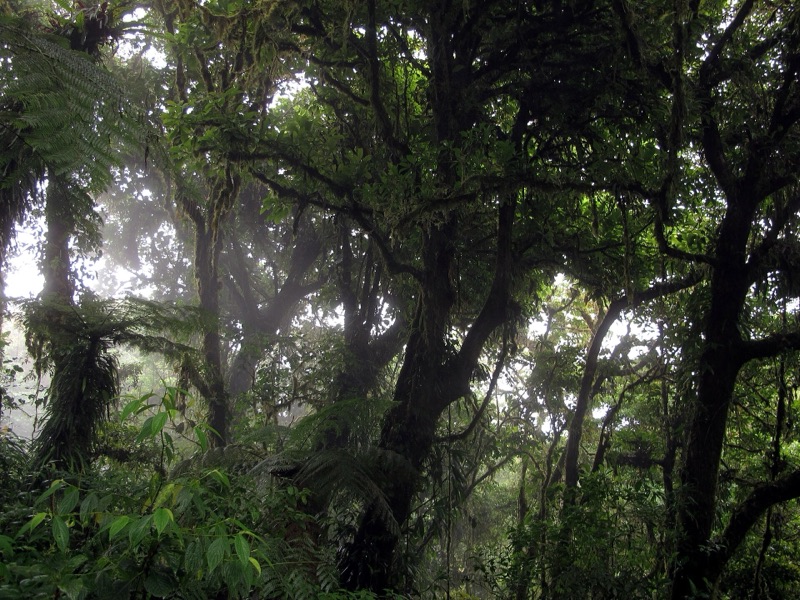
Monteverde Cloud Forest Biological Preserve
Best for Nature lovers and birders spending a night or two in Monteverde
Cloud Forest Lodge
Best for Birders, couples and families who want a forest setting close to town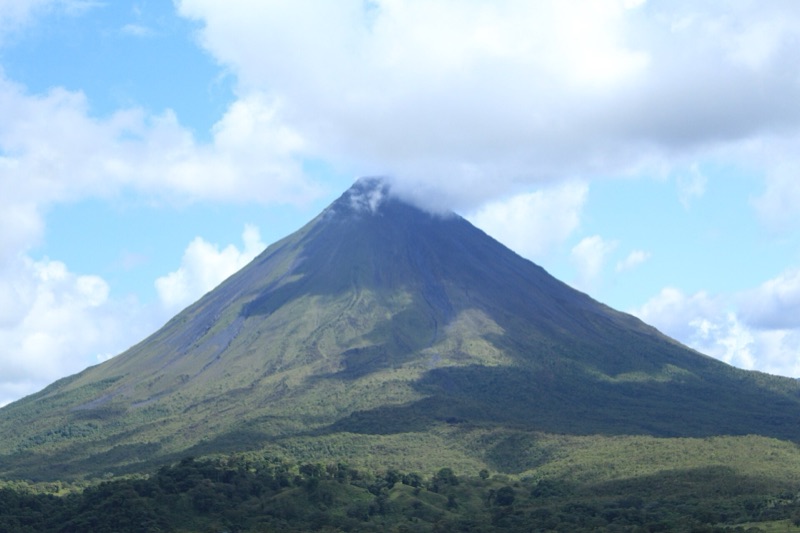
Arenal Volcano National Park
Best for A half-day walk from La Fortuna or El Castillo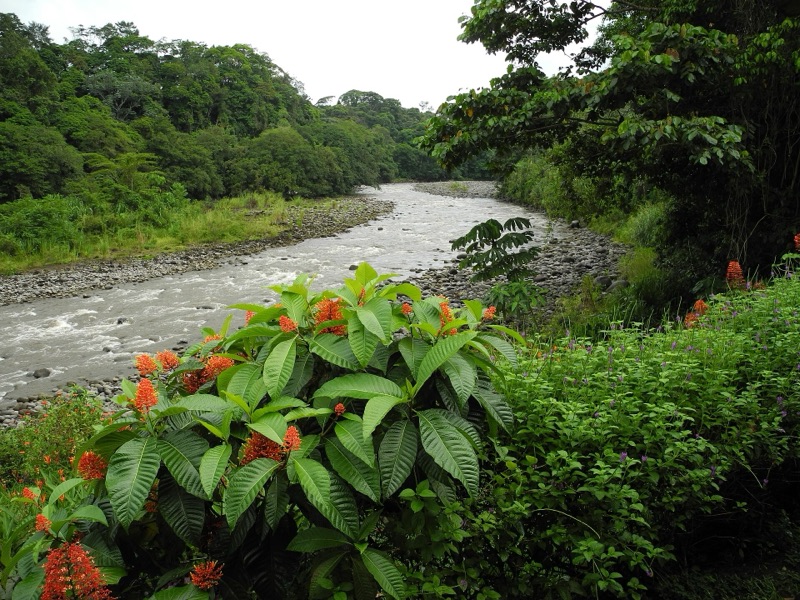
La Quinta Sarapiquí Lodge
Best for Families, birders and nature lovers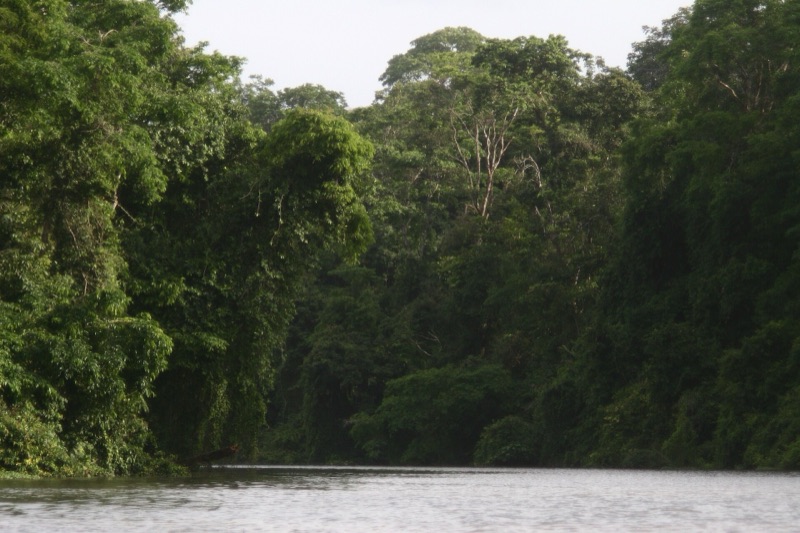
Tortuguero National Park
Best for Canal wildlife trips and turtle nesting tours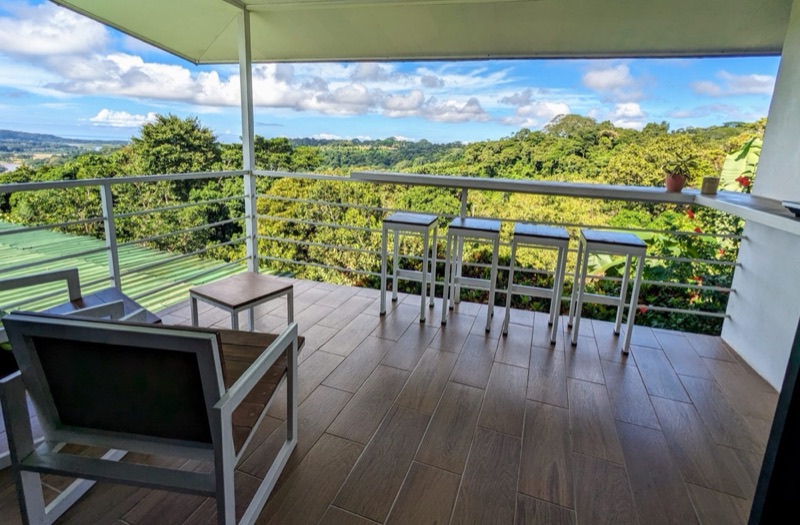
Rancho Capulin Bed and Breakfast
Best for First or last night near SJO, birders, travelers heading for the Pacific coast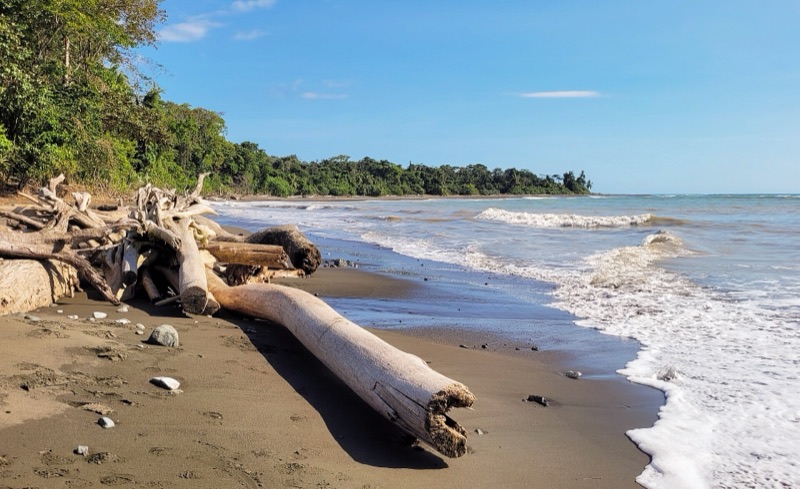
Corcovado National Park
Best for Serious wildlife watchers; tapirs, scarlet macaws, all four monkey species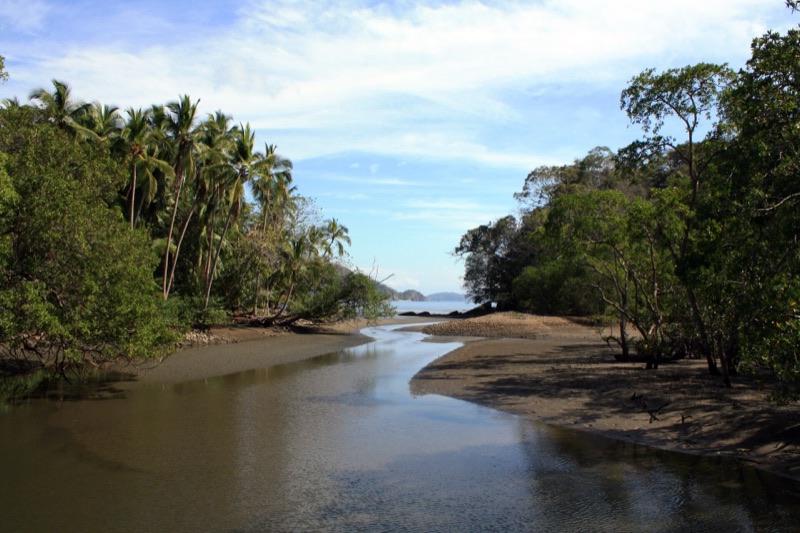
Curú Wildlife Refuge
Best for A first wildlife stop after the ferry, or a half day from Montezuma or Tambor


